
Trekking the Annapurna Circuit Without Plastic: How I Stayed Hydrated with a Water Filter
My mornings started with the sound of prayer flags flapping, cold air biting my fingers, and the satisfying gurgle of clean water filtering into my bottle.
If there’s one thing you notice quickly on the Annapurna Circuit, it’s how breathtaking the scenery is and how many empty plastic bottles you see along the way. From waterfalls and pine forests to tiny mountain villages, plastic finds its way into places where it doesn’t belong.
So this time, I made a promise to myself: no bottled water for the entire trek. Seventeen days, one Sawyer filter, one CNOC bladder, and my trusty 1L Nalgene. Simple as that. And while there are many filtering methods and tools, the squeeze filter was the one that I chose for this trip and conditions.
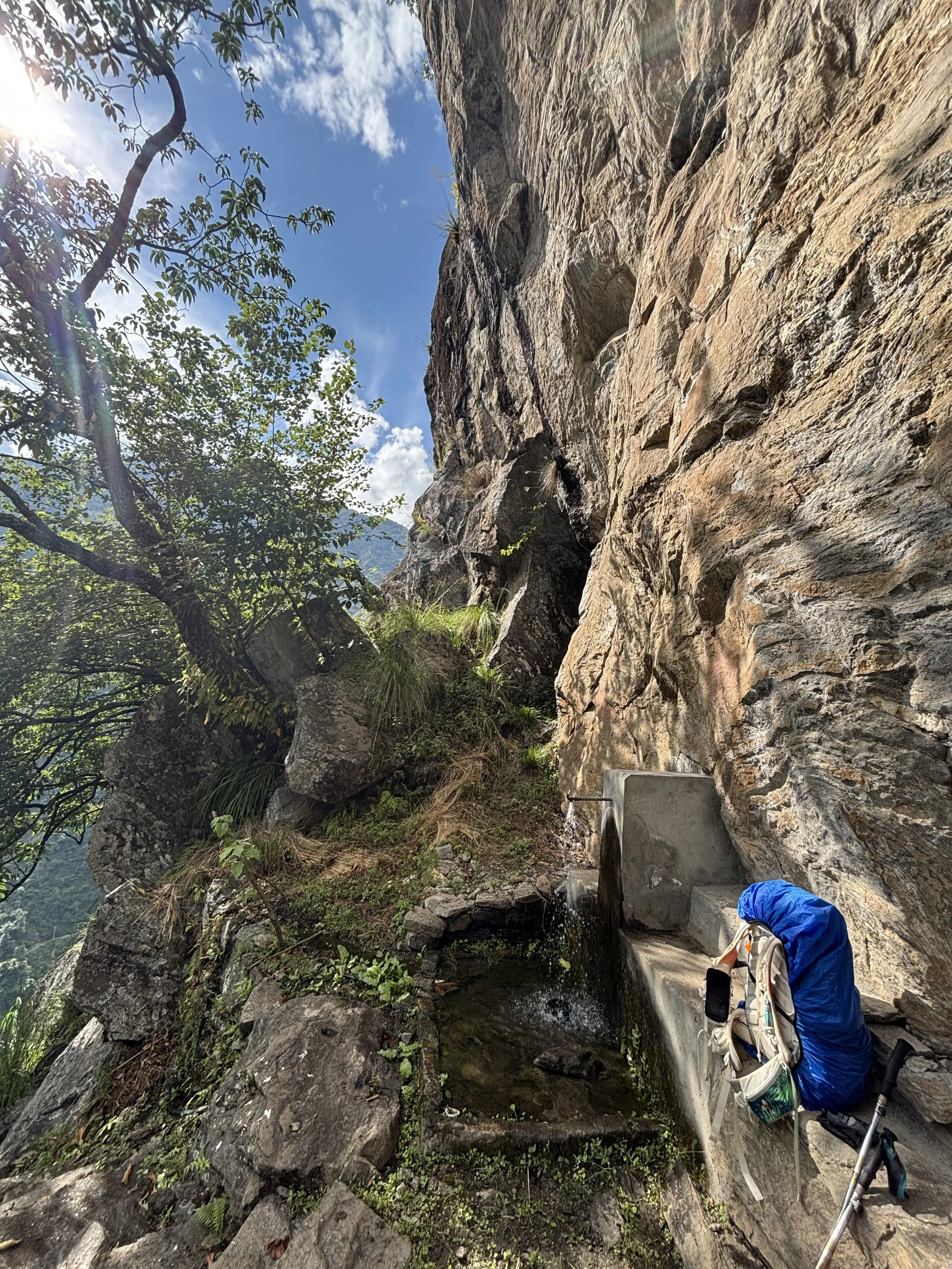
One of the many taps along the trail
Why I ditched bottled water?
Every village on the circuit sells bottled water, but almost none of them have a proper waste management system. Trash is often burned, buried, or washed away when the monsoon comes. And before we go around pointing fingers, the reality is this: It’s not the locals’ fault; there simply isn’t the infrastructure to handle the amount of plastic left behind by thousands of trekkers each year. Specially in some of the more remote villages across the region. Locals usually drink the “local water”, from creeks and rivers, while the “safer” option is usually out for the tourists or people that can afford access to it.
So…Instead of adding to the problem, I decided to use what was already there: local pani (local water) from taps, tanks, and mountain streams. It’s usually clean, fresh, and tastes like glacier melt once filtered. Keep in mind that filtration systems aren’t perfect. They all have their pros and cons. Some might be good filtering bacteria and sediments. Others might kill everything but wont get rid of the funny taste. Keeping that in mind, select what will be the best option for you, your wallet, and your personal preference. I am personally not a fan of using water tablets or iodine, for example. And so far, my experience with squeeze filters (like Sawyer) has been positive and easy.
My hydration setup
Here’s what I used:
• Sawyer Squeeze Filter – compact, light, and easy to use
• CNOC 2L bladder – filled with unfiltered water and used to squeeze through the filter as needed
• Nalgene 1L bottle – for drinking, brushing my teeth, and mixing electrolytes
• Nuun tablets and Liquid I.V. – one tube of Nuun and ten single packets of Liquid I.V. kept me feeling strong on long climbs and hot days
This combo worked perfectly for 17 days. I’d fill the bladder at a tap or tank, filter into my Nalgene, and drink as I went. Most villages had accessible water points, and when in doubt, I simply asked for “local pani.” People were always kind enough to point me to the nearest source.
Above 4,000 metres, finding bottled water isn’t just expensive, it’s unreliable between villages. Having my own filter meant I could always refill and stay hydrated, even when taps froze overnight or I ran out while on the trail.
How much water we really need
At altitude, you’ll drink around 3 to 4 litres of water per day to stay properly hydrated. Over 17 days, that would have meant roughly 68 PLASTIC BOTTLES, and that’s just for one person!
Now imagine the collective impact. The Annapurna Conservation Area welcomes more than 160,000 trekkers every year, according to the Nepal Tourism Board. If even half of them rely on bottled water, that’s millions of bottles entering a fragile ecosystem with no proper recycling system. Shocking, right?
By filtering all my water, I stayed hydrated, avoided about 68 bottles, and never got sick once.
Trail-tested hydration tips
• Protect your filter from freezing. When temperatures dropped, I kept my filter under the covers at night and wrapped it in clothing while hiking at higher altitude. If the filter freezes, it can stop working.
• Filter ahead of time. On the day I crossed Thorong La Pass, I filtered my water the day before and carried it in my Nalgene wrapped up inside of my backpack, and I also used boiled water from the teahouse.
• Filter even tap water. Some taps are fed by open tanks. A quick filter keeps you safe from belly problems.
• Add electrolytes daily. Between altitude, sweat, and cold, you lose more salt than you think. I alternated between Nuun and Liquid I.V. depending on the day. There’s a local option for electrolytes you can purchase in the shops around Kathmandu, but also in Besisahar and Manang.
• Ask the locals for water. It builds connection and helps normalise sustainable choices among trekkers and locals alike.
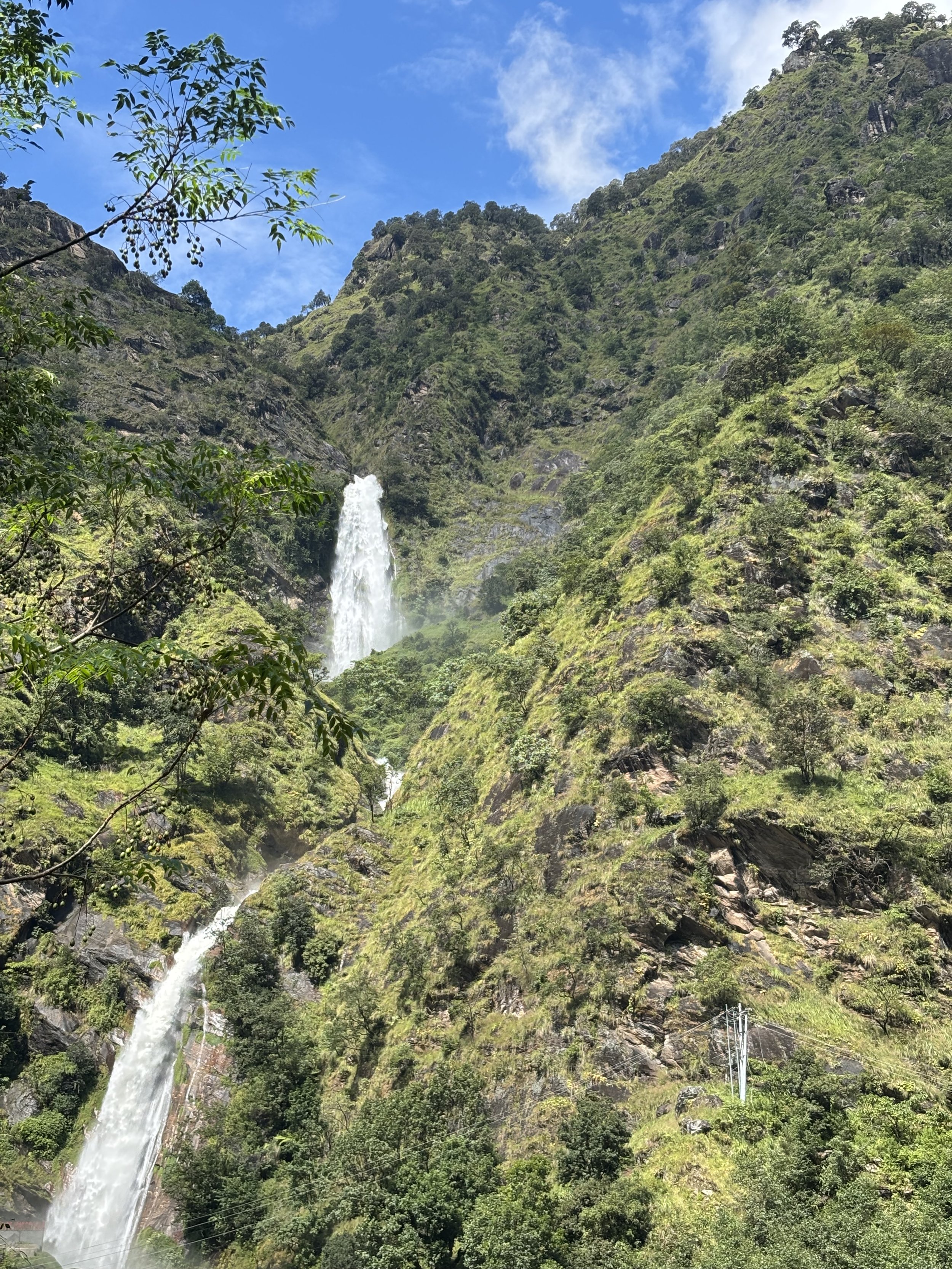
Impact Conversations while on the Trail
In Upper Pisang, I met two Kiwis who were bikepacking the circuit. They both had filters but were still buying bottled water “just in case”. We chatted about it over dhal bhat, and after hearing that I’d been filtering all my water without any stomach issues, they decided to start using theirs too.
Many trekkers worry about getting a bug, which is fair. But if you use your filter properly and keep it clean, you’ll be fine. One conversation, one filter, and two fewer trekkers buying bottles. It all makes a difference, specially for the local communities.
Carrying my own water system also made me feel more self-reliant and connected to the trail. There’s something special about trusting the land to provide, and giving back by leaving it a little cleaner.
Each bottle you skip is one less piece of waste that local communities have to burn or carry down the mountain. These villages are already managing the challenges of tourism, climate change, and limited resources. Reducing what we leave behind is one of the simplest ways to show respect for both the people and the place.
Carrying a filter isn’t just practical. It’s an act of care. It helps protect the trails we love, supports cleaner waterways, and inspires others to do the same.
Have you ever tried trekking without buying bottled water? I’d love to hear how you managed it.